

 上傳3D模型
 上傳SU模型
 合成全景
合成全景那漠含風(fēng)設(shè)計(jì) | “鐵盒”- 公寓改造
雖然新冠疫情已經(jīng)過(guò)去,但在它肆虐橫行的日子里,民生凋敝,所有行業(yè)都遭受前所未有的沖擊,人們的生活和工作也失去了正常的節(jié)奏,所經(jīng)歷的一切至今仍歷歷在目。大到國(guó)家、小到個(gè)人,都不得不重新考慮如何應(yīng)對(duì)系統(tǒng)性風(fēng)險(xiǎn),當(dāng)它突然到來(lái)時(shí),該如何切換至更具機(jī)動(dòng)性的應(yīng)急模式。
Though the storm of COVID-19 has now passed, its tempestuous days of devastation remain imprinted on our collective memory. It blighted the fabric of everyday life, and disrupted the normal rhythm of our lives and work. Its effects, from nations to individuals, necessitated a reevaluation of how to navigate systemic risks, pondering how we might swiftly pivot to a more agile emergency mode when calamity strikes unannounced.
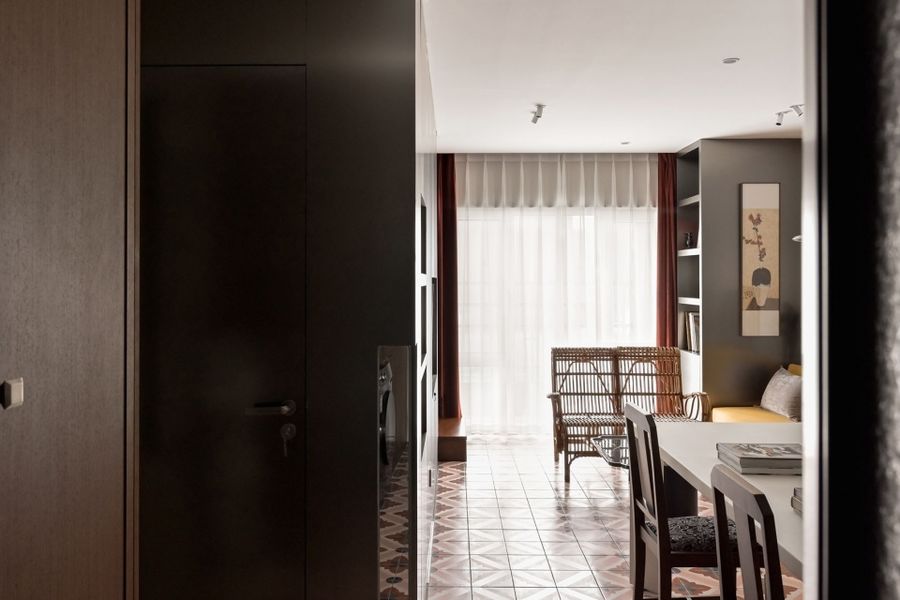
▼室內(nèi)概覽,interior overview ? 哈達(dá)
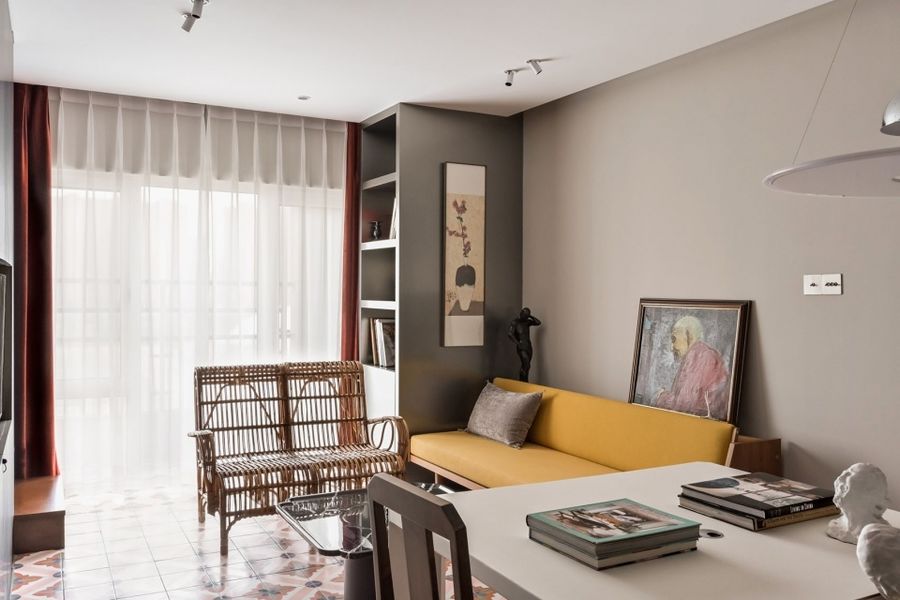
▼室內(nèi)一角,a corner of living room ? 哈達(dá)
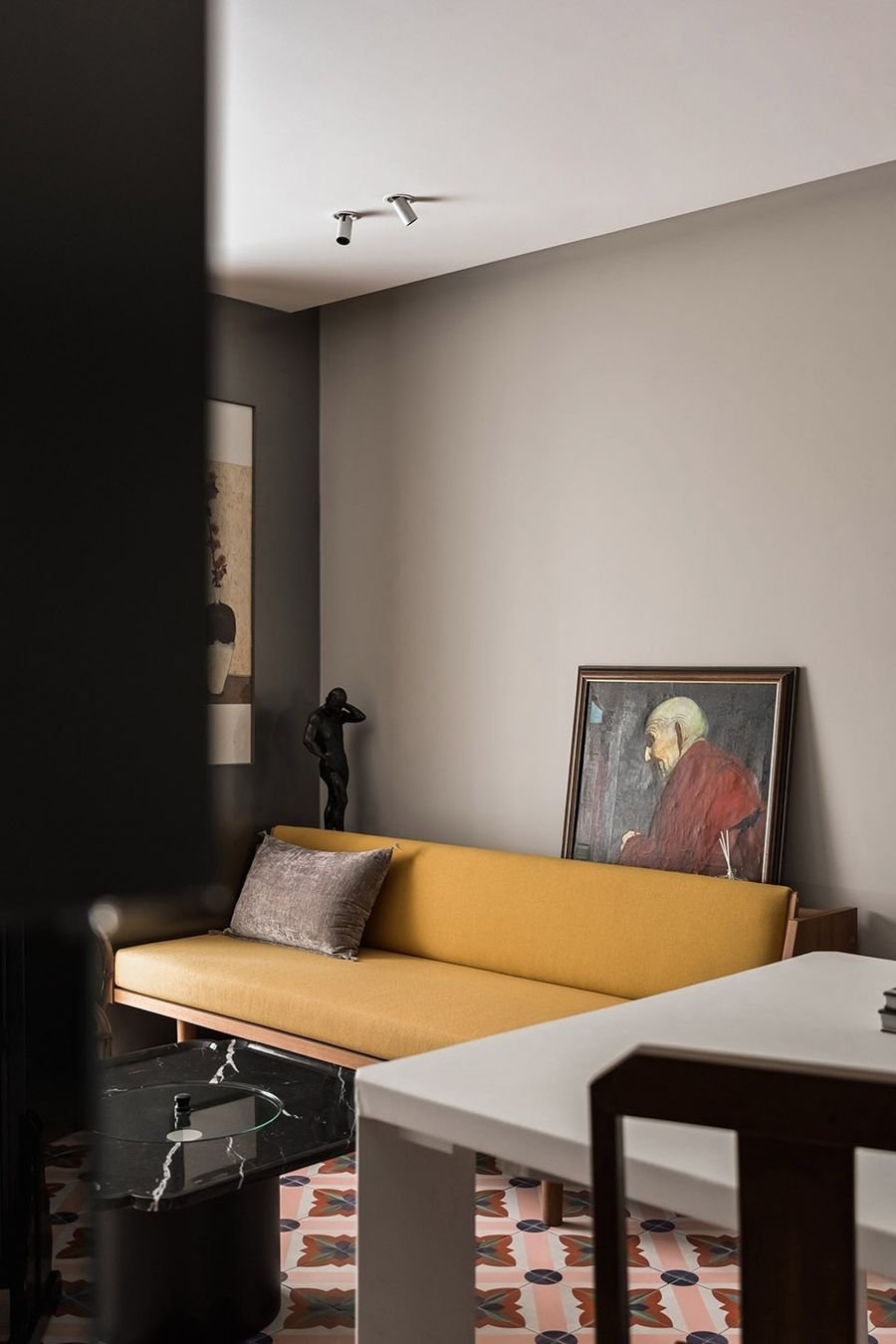
就在疫情期間,那漠含風(fēng)開(kāi)始了一項(xiàng)特殊的改造項(xiàng)目,探索一種應(yīng)對(duì)風(fēng)險(xiǎn)的的生活和工作方式。原有場(chǎng)地是帶有半個(gè)夾層的普通公寓,改造后則擁有完整的二樓空間,可滿足四人同時(shí)居住和臨時(shí)辦公等擴(kuò)展功能。
Amidst COVID-19, NA-DECO commenced a unique renovation project, exploring a way of living and working poised to face such risks head-on. The original site, a commonplace apartment with a half-mezzanine, transformed, emerging as a complete two-story space equipped to accommodate four people residing and working temporarily, offering an expanded range of functions.
▼室內(nèi)局部,some details ? 哈達(dá)
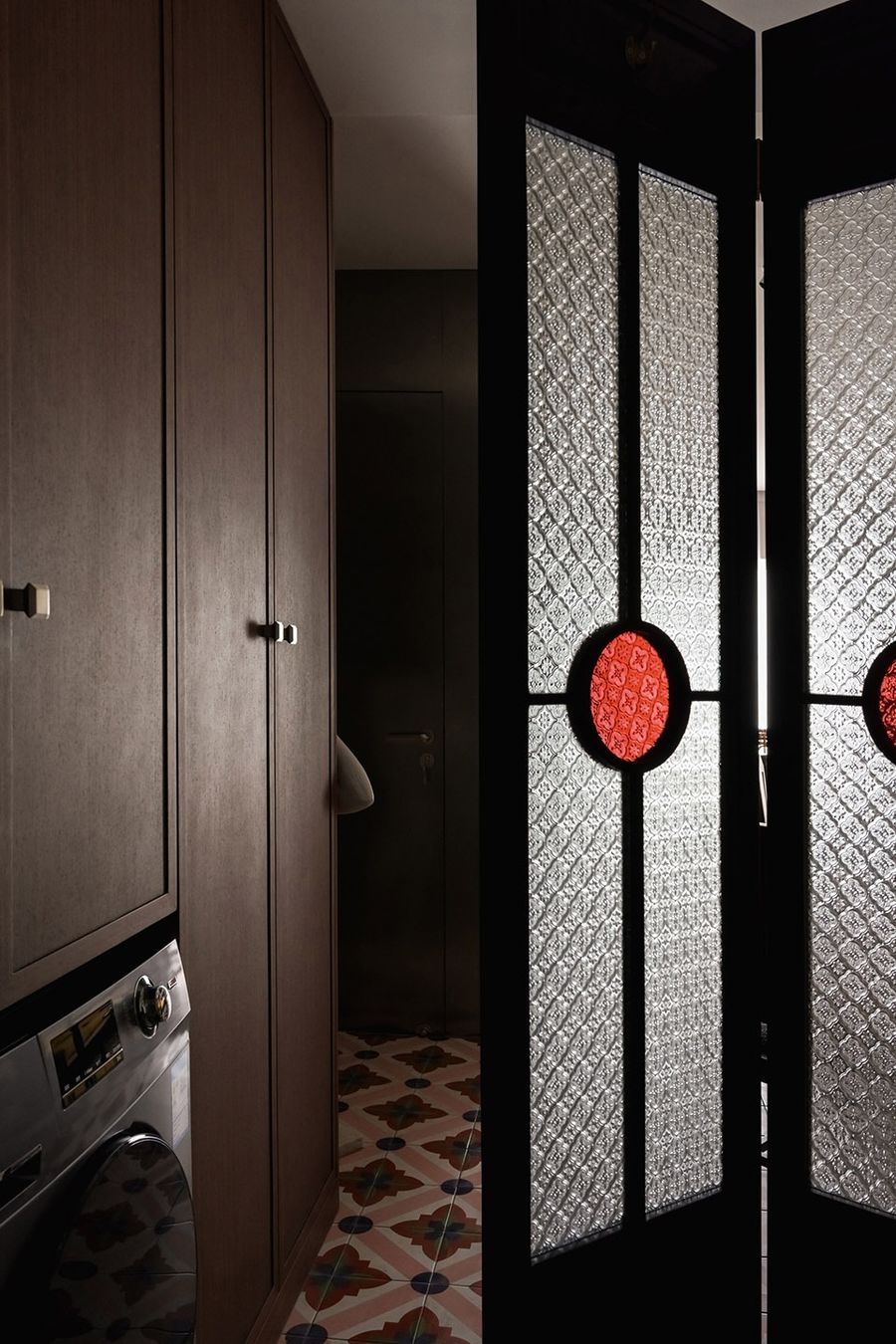

整體設(shè)計(jì)靈感源于系統(tǒng)存放各類文件的檔案館,空間中大面積使用了不銹鋼材料,即能分割不同的功能區(qū)域,也可充當(dāng)書架和柜體,以簡(jiǎn)潔的模塊化方式替代傳統(tǒng)墻面,奠定了冷靜而整潔的基調(diào)。與此同時(shí),空間中也使用了深色木材、拼花地磚和灰咖色地板,人們可以清晰地感受到冷與暖、快與慢、銳利和柔和之間的碰撞,這正好呼應(yīng)了場(chǎng)地的兼容性設(shè)定。
The overall design drew its inspiration from archives, those systematic bastions of assorted files and documents. The ample use of stainless steel within the space facilitated the demarcation of distinct functional areas and also doubled as bookshelves and cabinets. This minimalist modular approach superseded traditional walls, laying the groundwork for a cool and clean aesthetic. Simultaneously, the incorporation of dark walnut wood, patchwork floor tiles, and smoky gray colored flooring enabled an intuitive perception of the interplay between cold and warm, fast and slow, and sharp and soft, resonating perfectly with the versatile setup of the site.
▼以檔案館為空間原型,space inspired by archives room ? 哈達(dá)
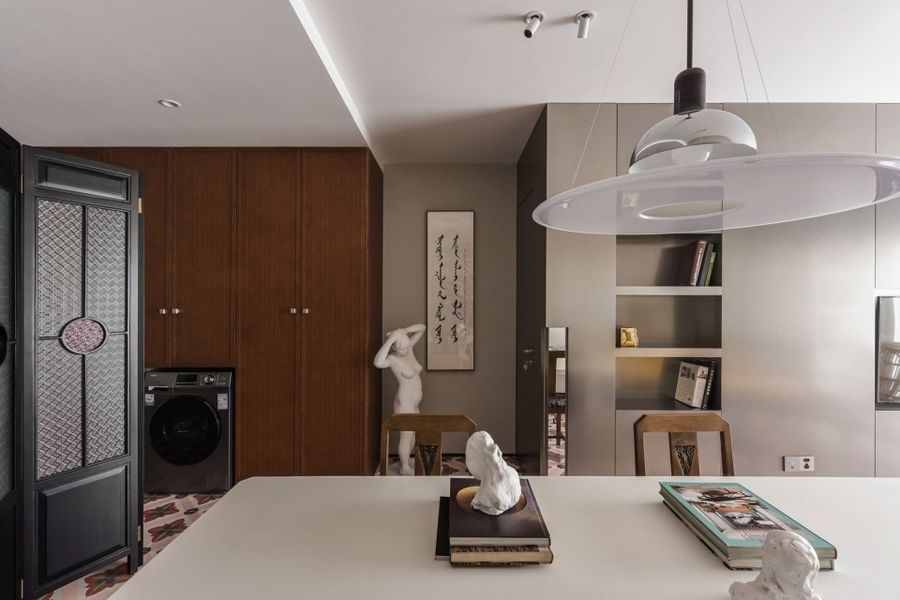
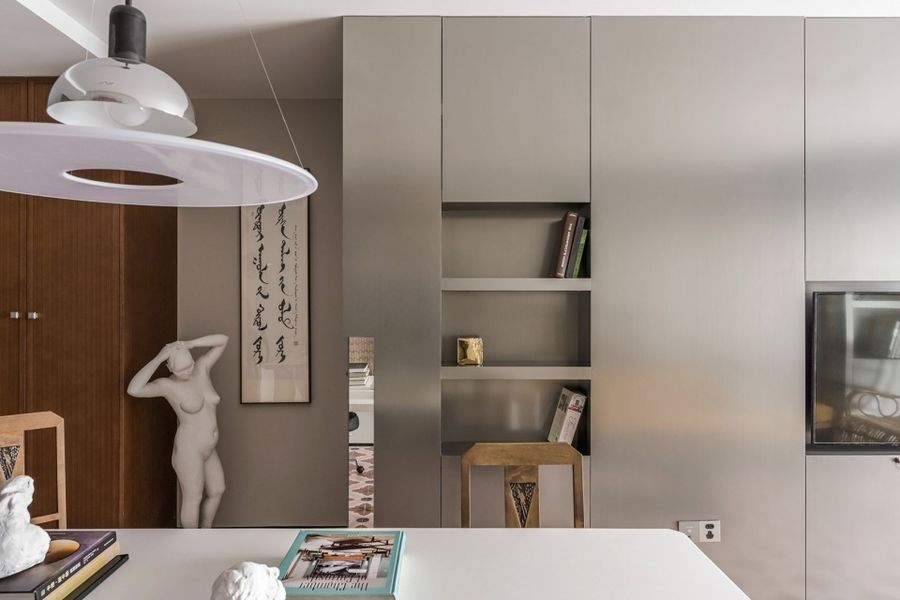
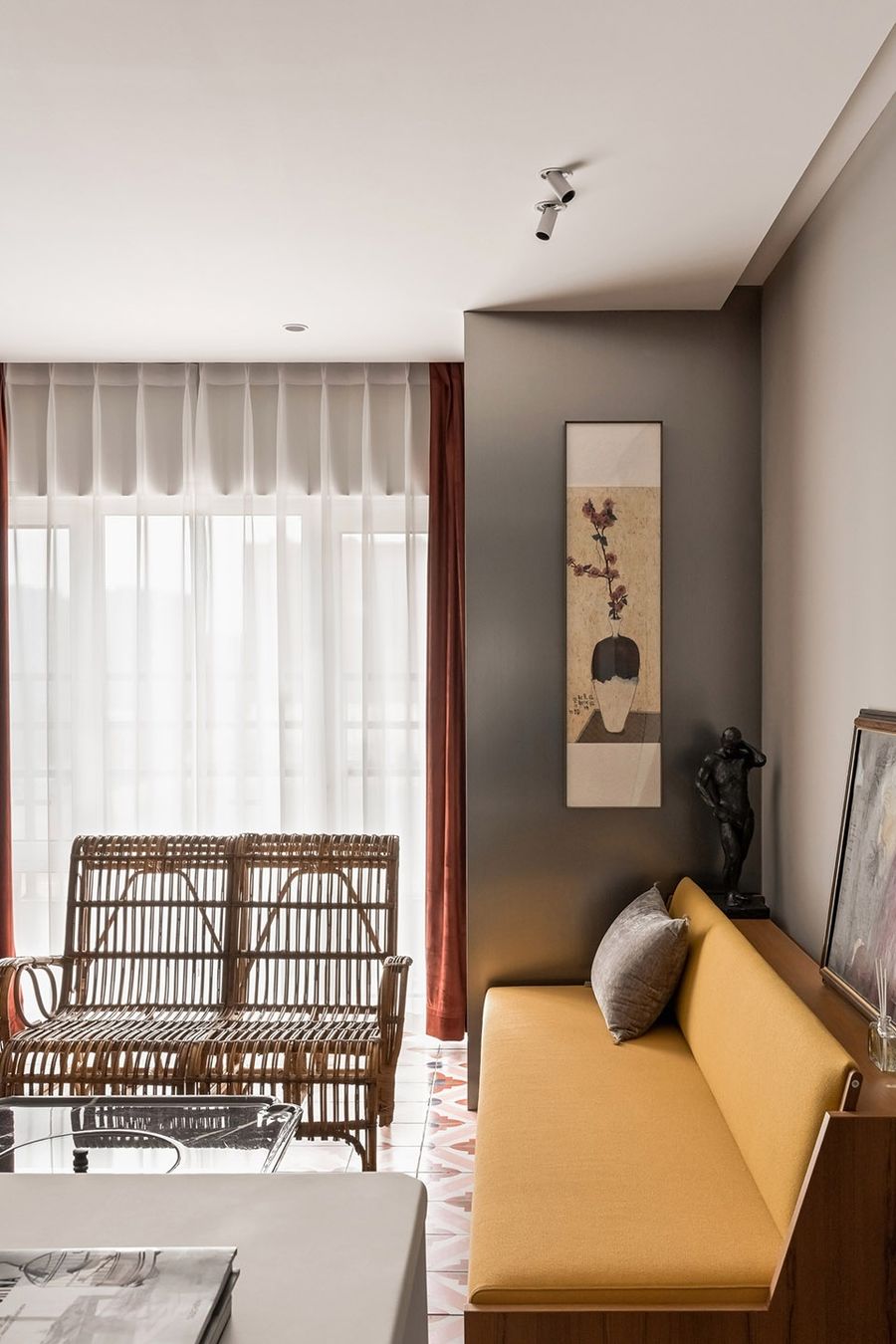
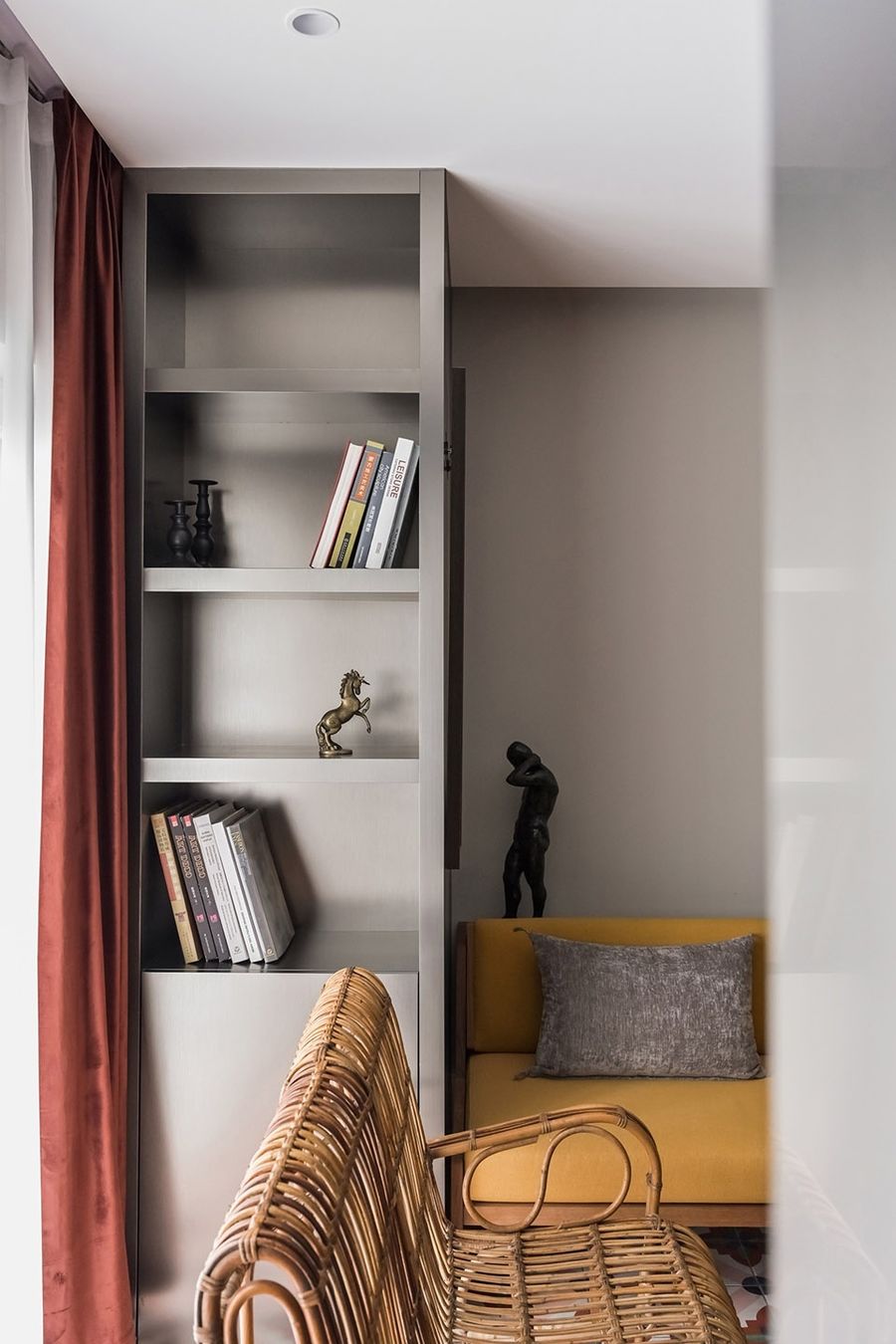
一樓主要用于辦公和閱讀,提供置身于閱覽室般的空間感受。大量的藏書可以放在不銹鋼書架和隱藏式柜體內(nèi),電腦、打印機(jī)等設(shè)備則可以放在寬大的桌子上。鵝黃色的daybed沙發(fā)和年代久遠(yuǎn)的手工藤編椅圍合成了一個(gè)小型區(qū)域,是交談和放松的好位置。
The ground floor, primarily designated for work and reading, engenders an enveloping sensation akin to being in a library. A wealth of books finds their home in stainless steel bookshelves and concealed cabinets, while computers, printers, and other equipment rest on expansive tables. A yellow daybed sofa and an antique handmade rattan chair come together to form an intimate enclave, a sanctuary for conversation and relaxation.
▼閱覽室般的空間感受,an enveloping sensation akin to being in a library ? 哈達(dá)
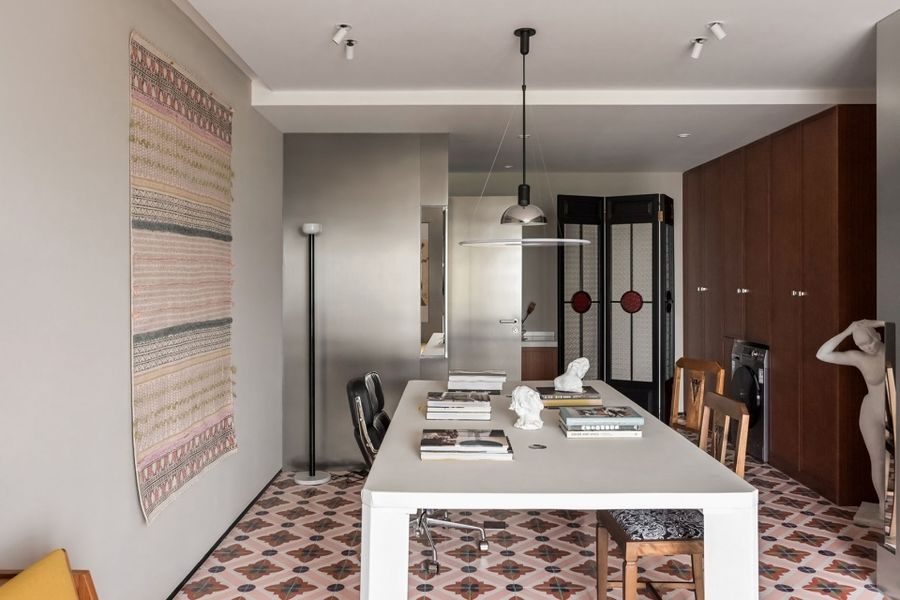
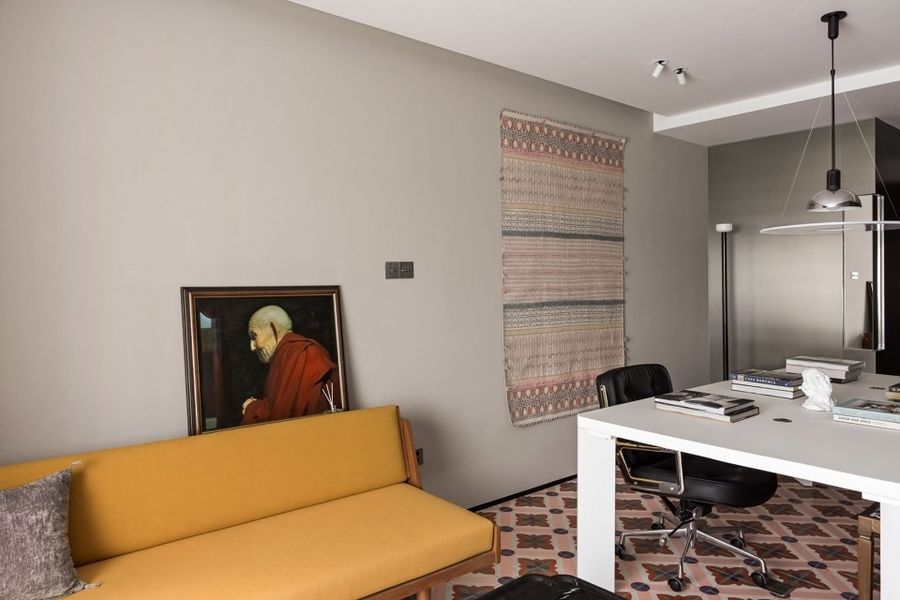
▼鵝黃色的daybed沙發(fā),A yellow daybed sofa ? 哈達(dá)
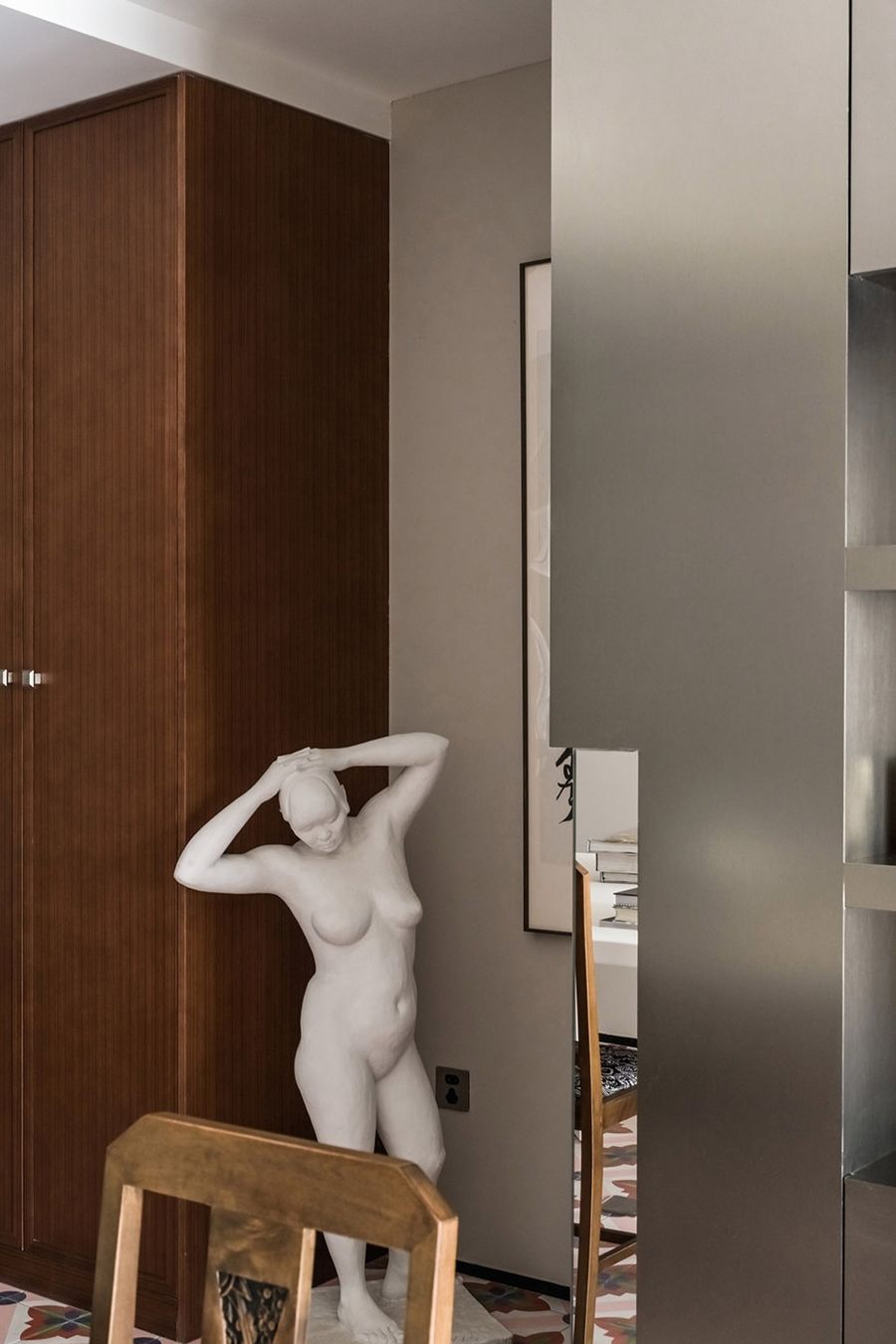
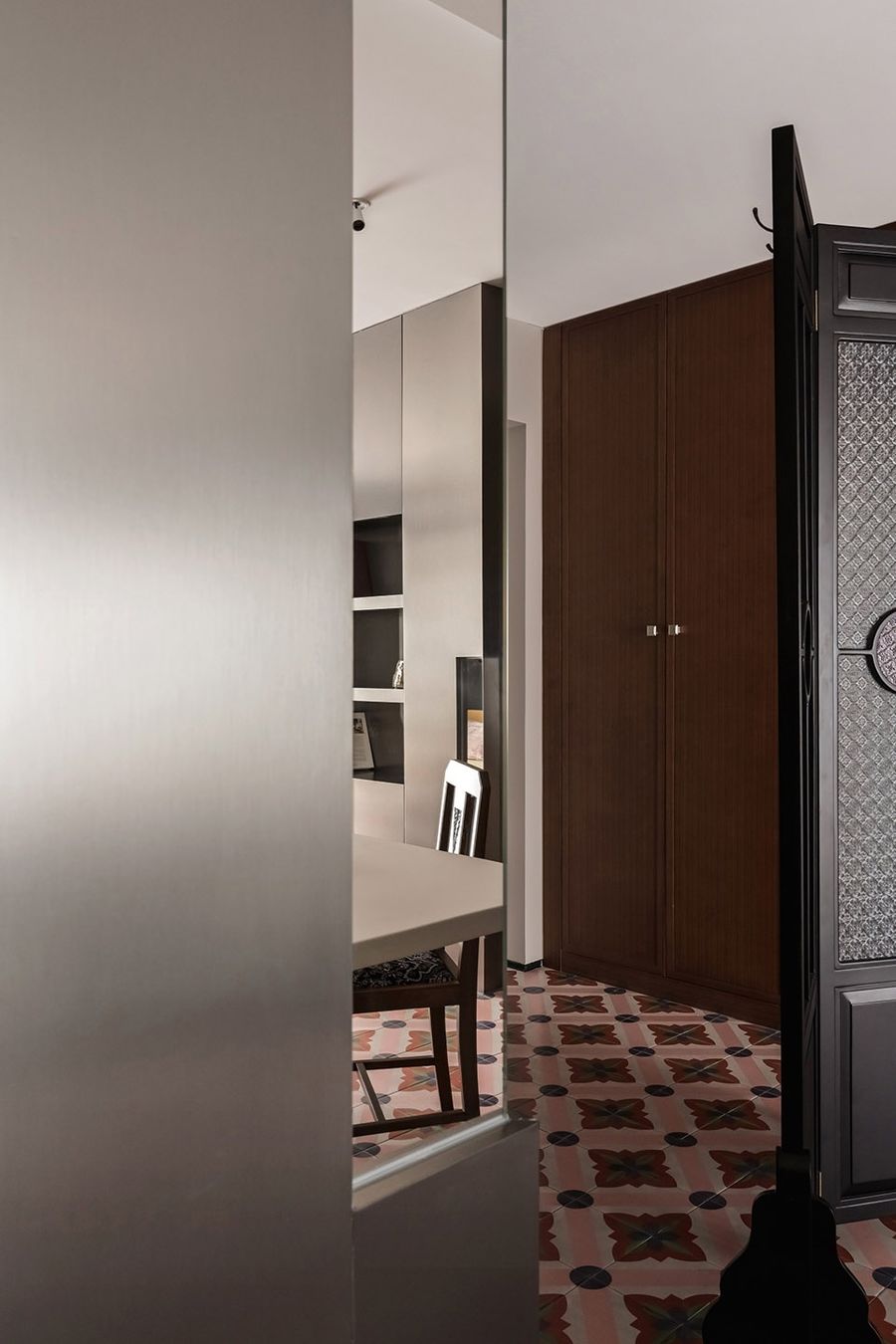
不銹鋼模塊上的兩個(gè)90°轉(zhuǎn)角處,設(shè)計(jì)師巧妙地切開(kāi)了小口,并在里邊嚴(yán)絲合縫地置入兩組鏡子,不僅弱化了模塊在視覺(jué)上的重量,還豐富了空間的觀察視角,給采光不佳的內(nèi)部空間帶來(lái)了趣味和活力。
On two 90° corners of the stainless-steel modules, the designer deftly cut small openings,seamlessly within. This not only diminishes the visual weight of the modules but also enriches the viewing angles within the space, infusing an otherwise dimly lit interior with charm and vivacity.
▼90°轉(zhuǎn)角處的鏡子設(shè)計(jì),pairs of mirrors tucked in two 90° corners of the stainless-steel modules ? 哈達(dá)
隱藏在電視后面的直跑樓梯可通往二樓。。
Hidden behind the television, a straight flight of stairs ascends to the second floor.
▼樓梯,stiarcase ? 哈達(dá)
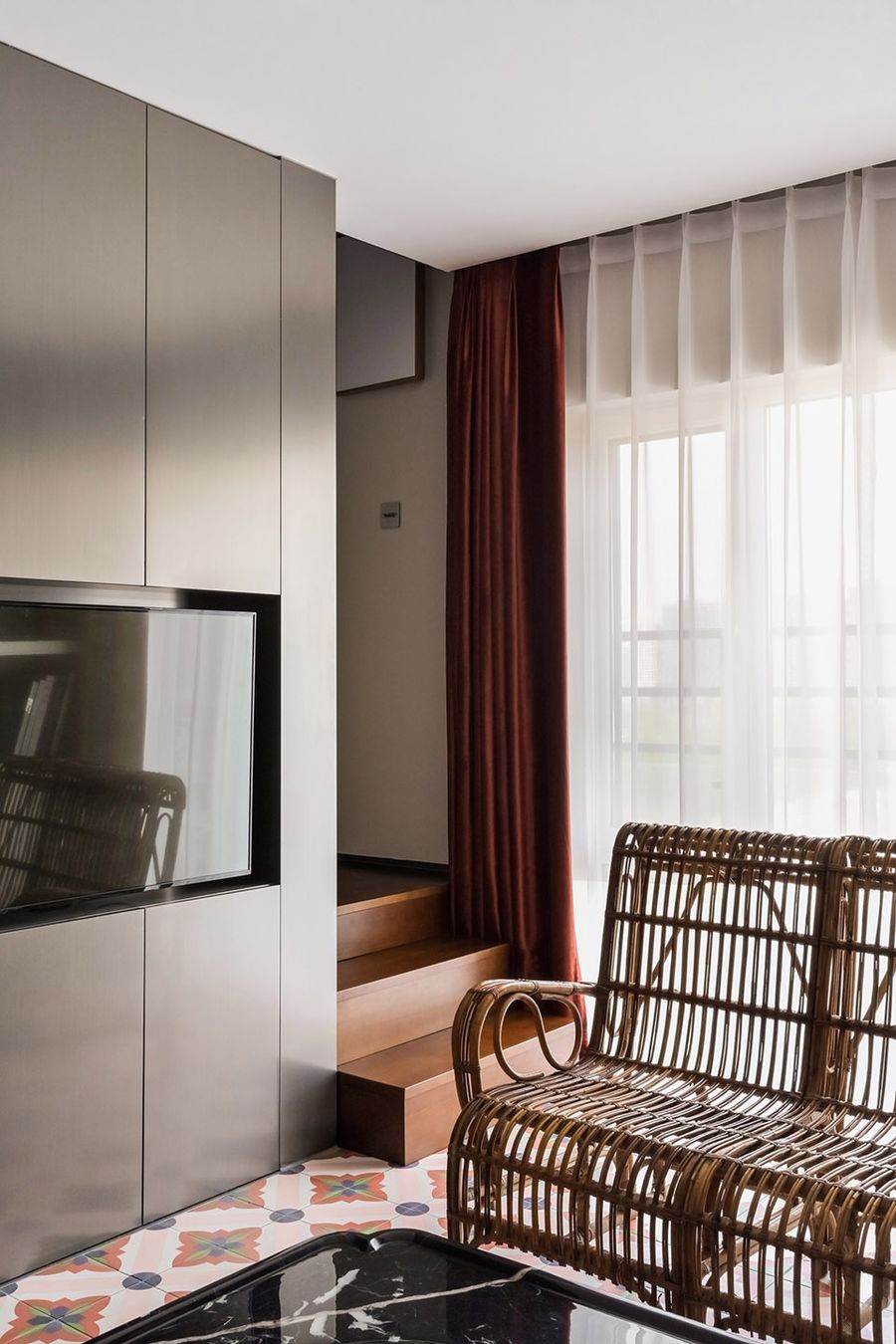
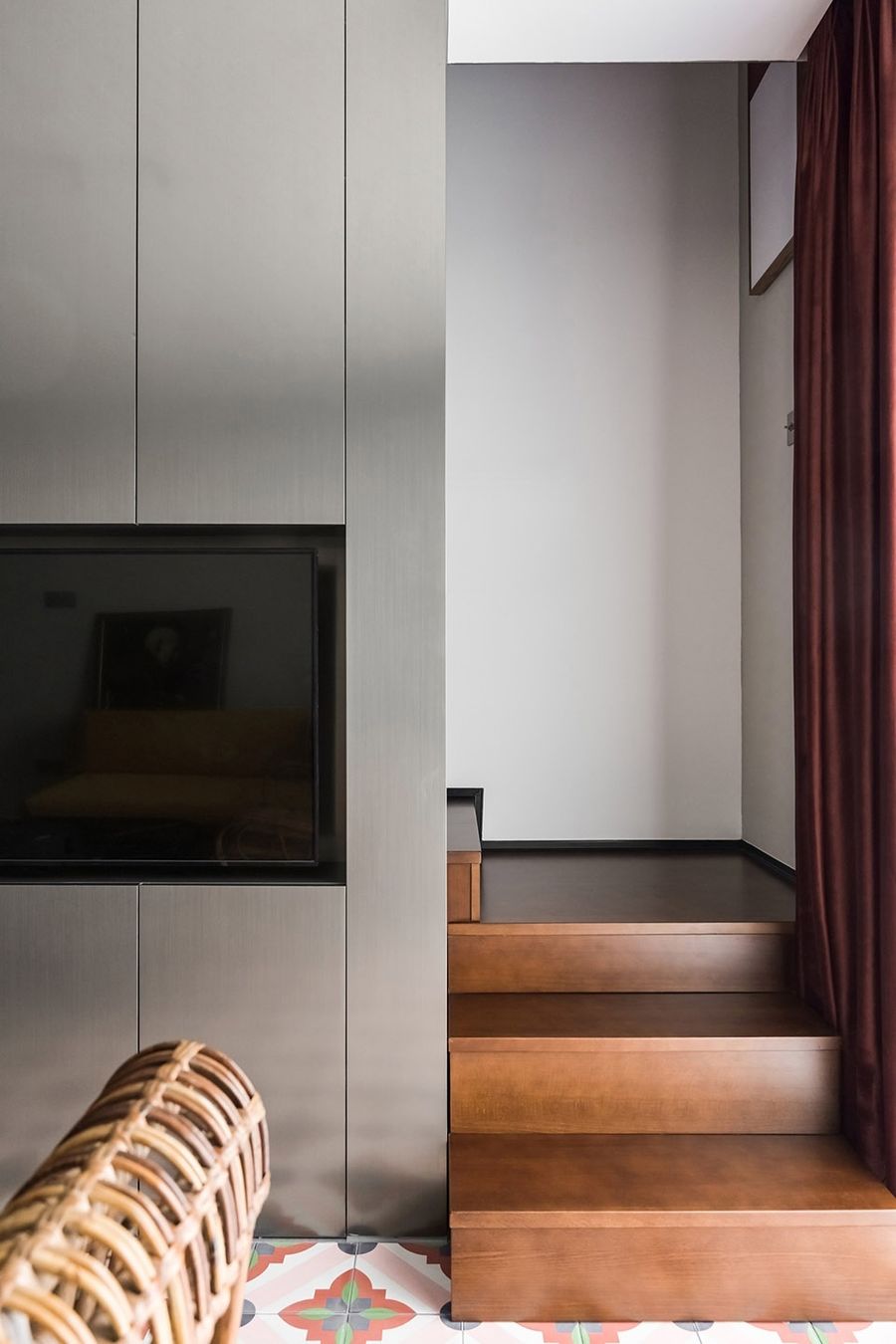
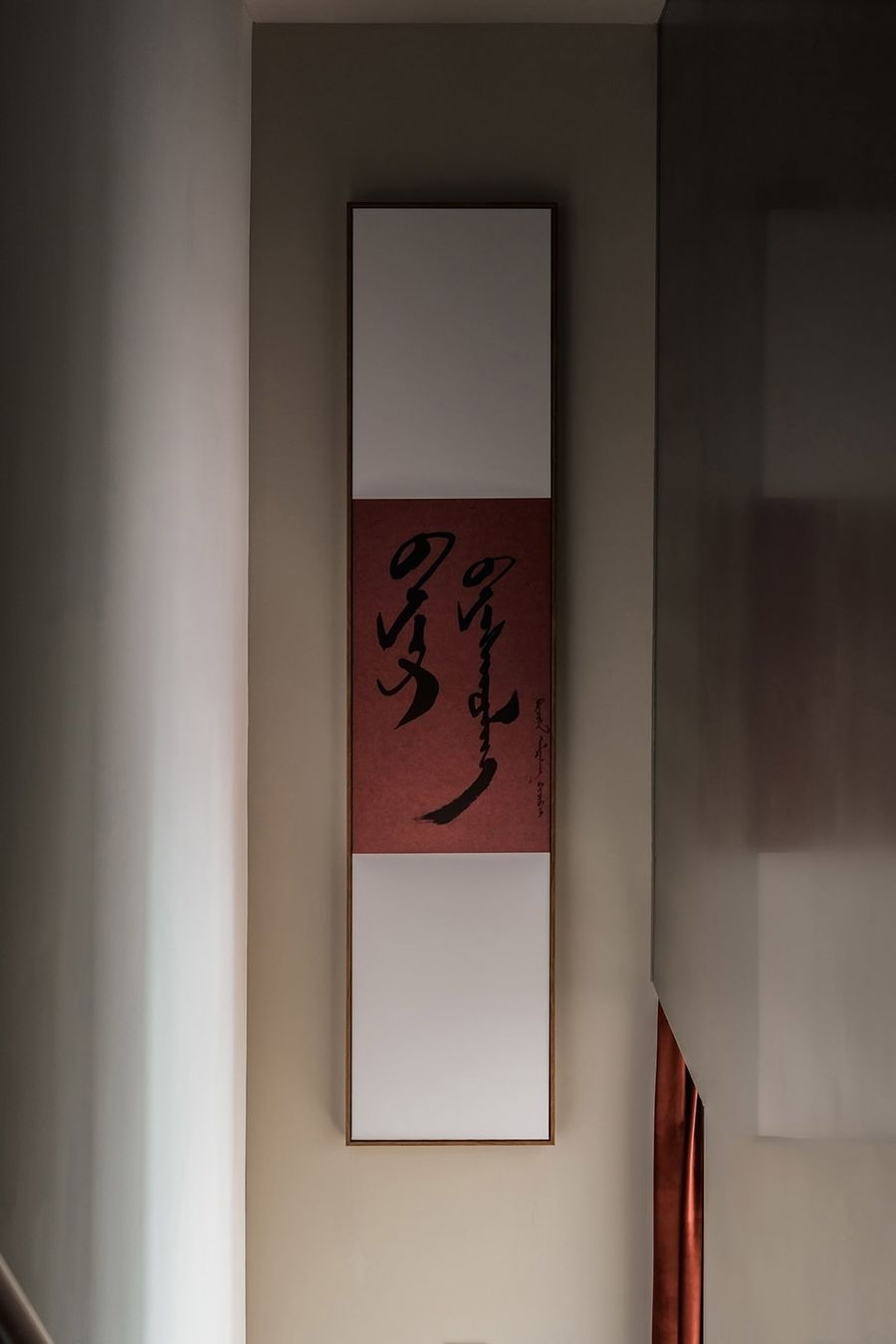
▼樓梯間的裝飾,adornment in stairwell ? 哈達(dá)
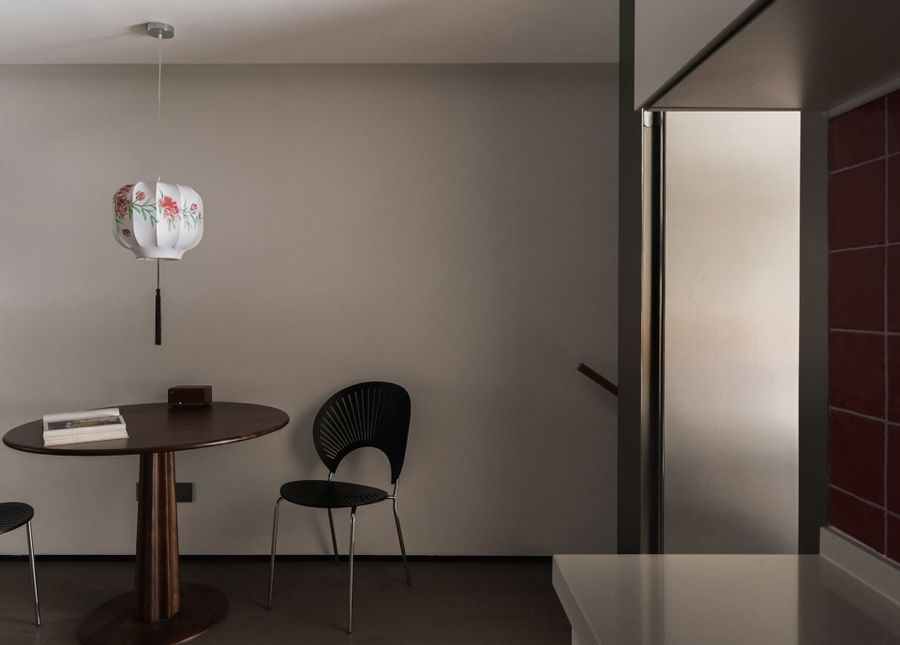
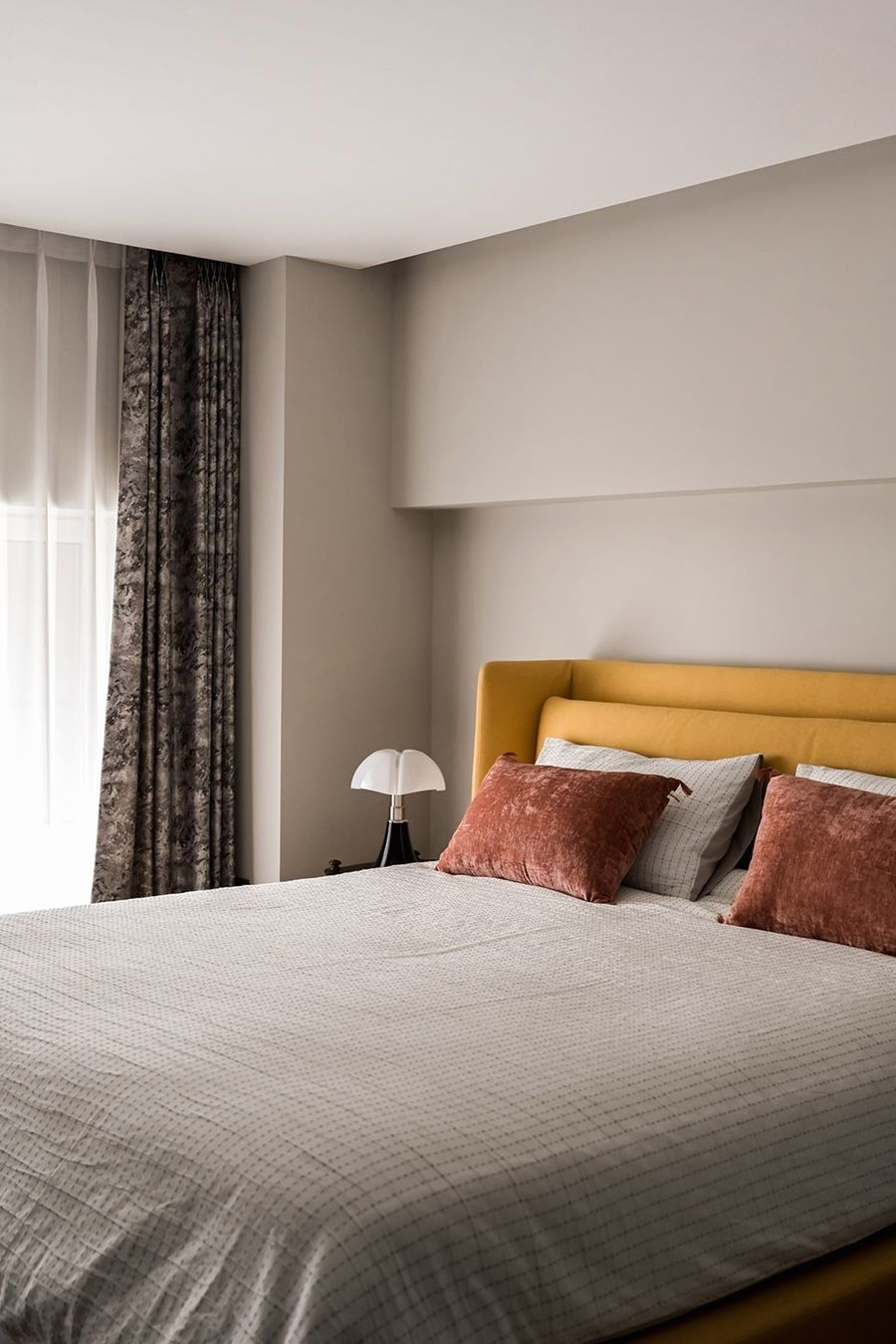
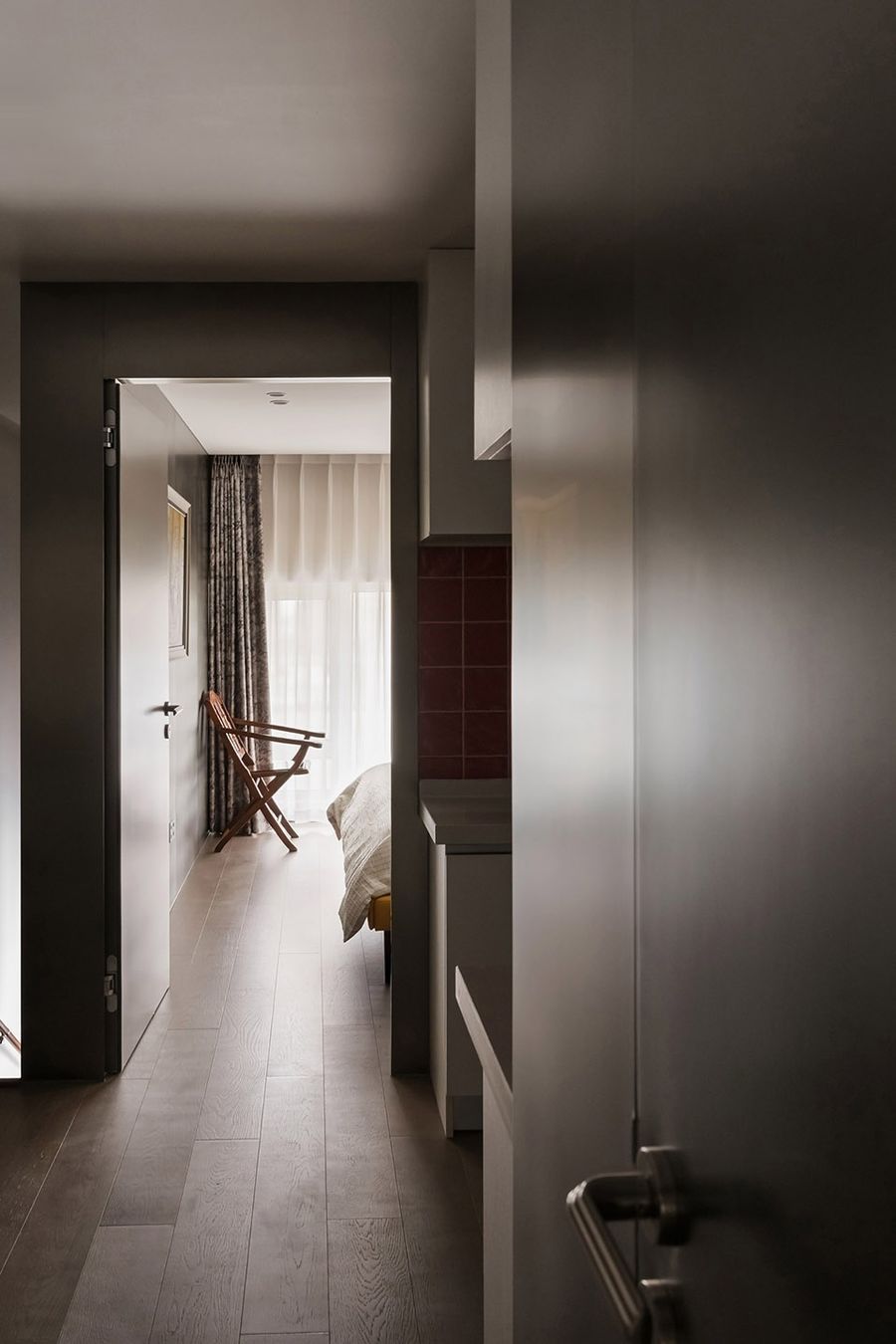
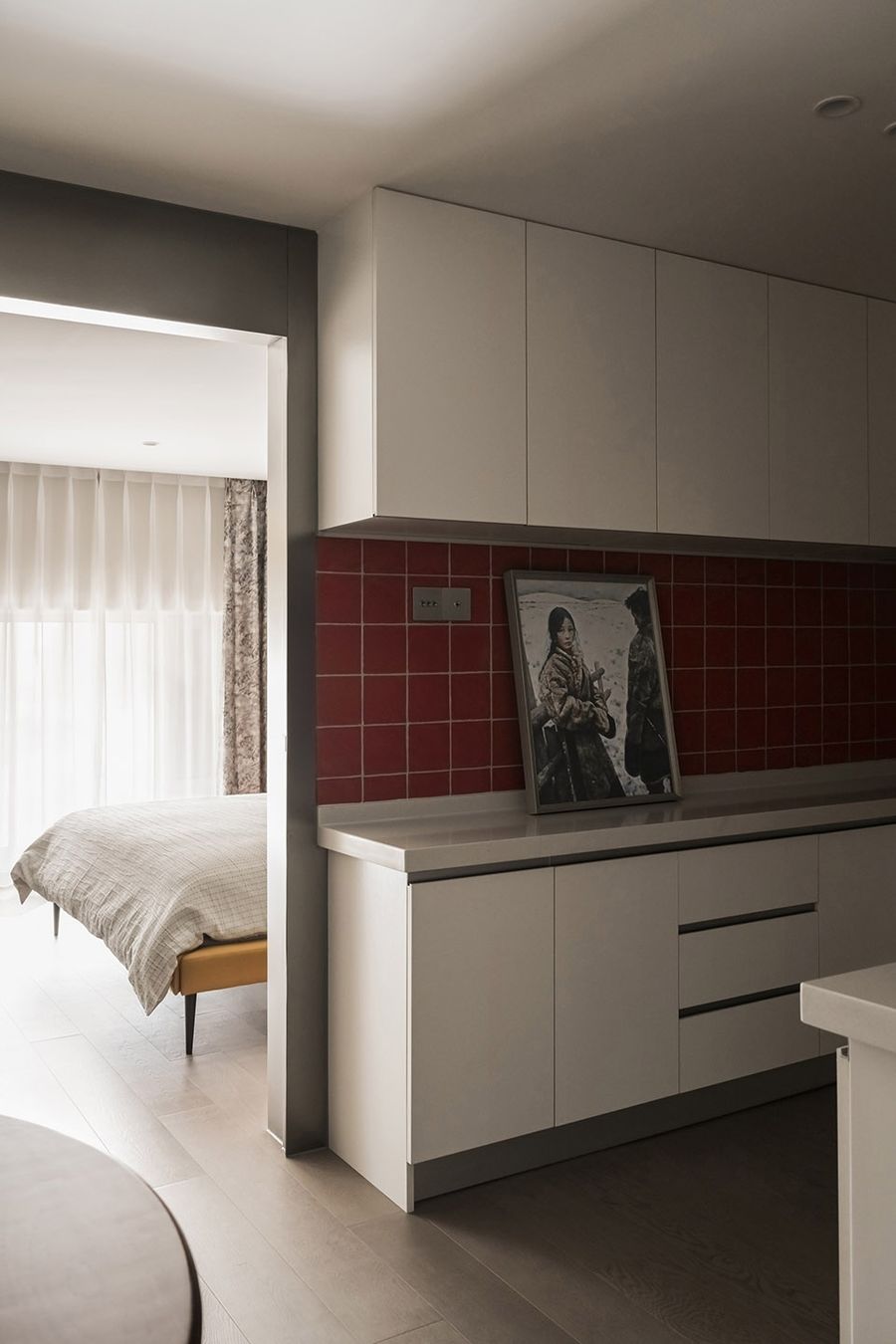
臥室和衛(wèi)生間依然由不銹鋼板包裹,兩個(gè)模塊中間置入了U形廚房,最內(nèi)側(cè)的儲(chǔ)藏間則改造成了應(yīng)急臥室。定制的胡桃木餐桌可以滿足四人就餐的需要,紅色的廚房瓷磚和傳統(tǒng)中式吊燈給二樓空間帶來(lái)了溫度。
The bedroom and bathroom persist with the motif of stainless-steel cladding. Nestled between the two modules lies a U-shaped kitchen, with the inner storage room repurposed into a small bedroom. A custom walnut dining table caters to the dining needs of four, while red kitchen tiles and traditional Chinese-style pendant lights instill a sense of warmth into the second-floor space.
▼二層走廊,corridor on second floor ? 哈達(dá)
▼不銹鋼板包裹的臥室概覽,bedroom motif of stainless-steel cladding ? 哈達(dá)
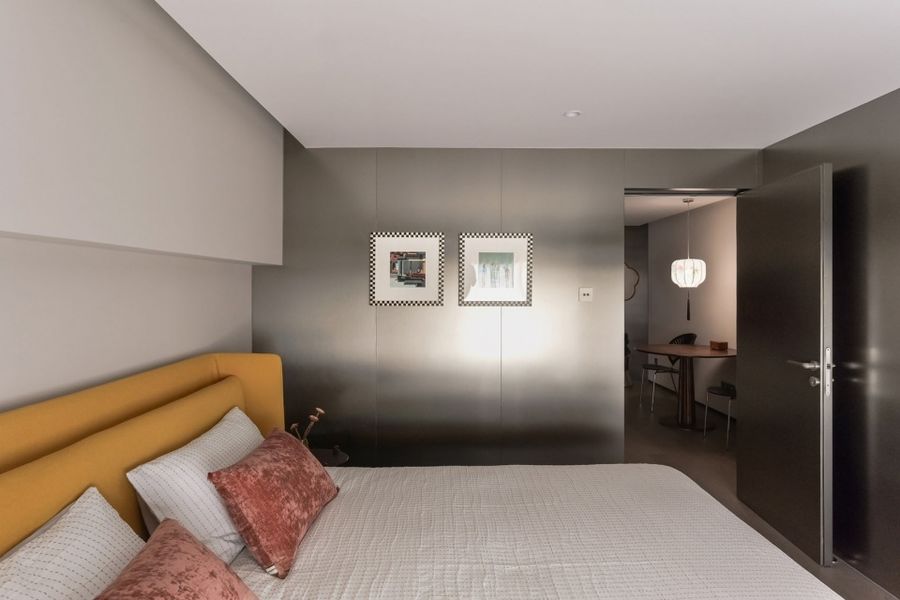
▼臥室概覽,bedroom overview ? 哈達(dá)
▼從過(guò)道望向臥室和廚房,bedroom and bedroom viewing from corridor ? 哈達(dá)
在這個(gè)項(xiàng)目中,那漠含風(fēng)通過(guò)空間的分割與重塑,將不同場(chǎng)景進(jìn)行有效區(qū)分,也試圖通過(guò)大膽的材質(zhì)和色彩使用讓空間充滿戲劇性。在疫情過(guò)去的今天,它依然能延續(xù)著獨(dú)特的使用價(jià)值。
In this project, NA-DECO effectively distinguished between different scenes by cleaving and reshaping the space, and also imbued the space with a dramatic flair through a bold palette of materials and colors. Even in a post-COVID-19 period, this space continues to hold and extend its unique value.
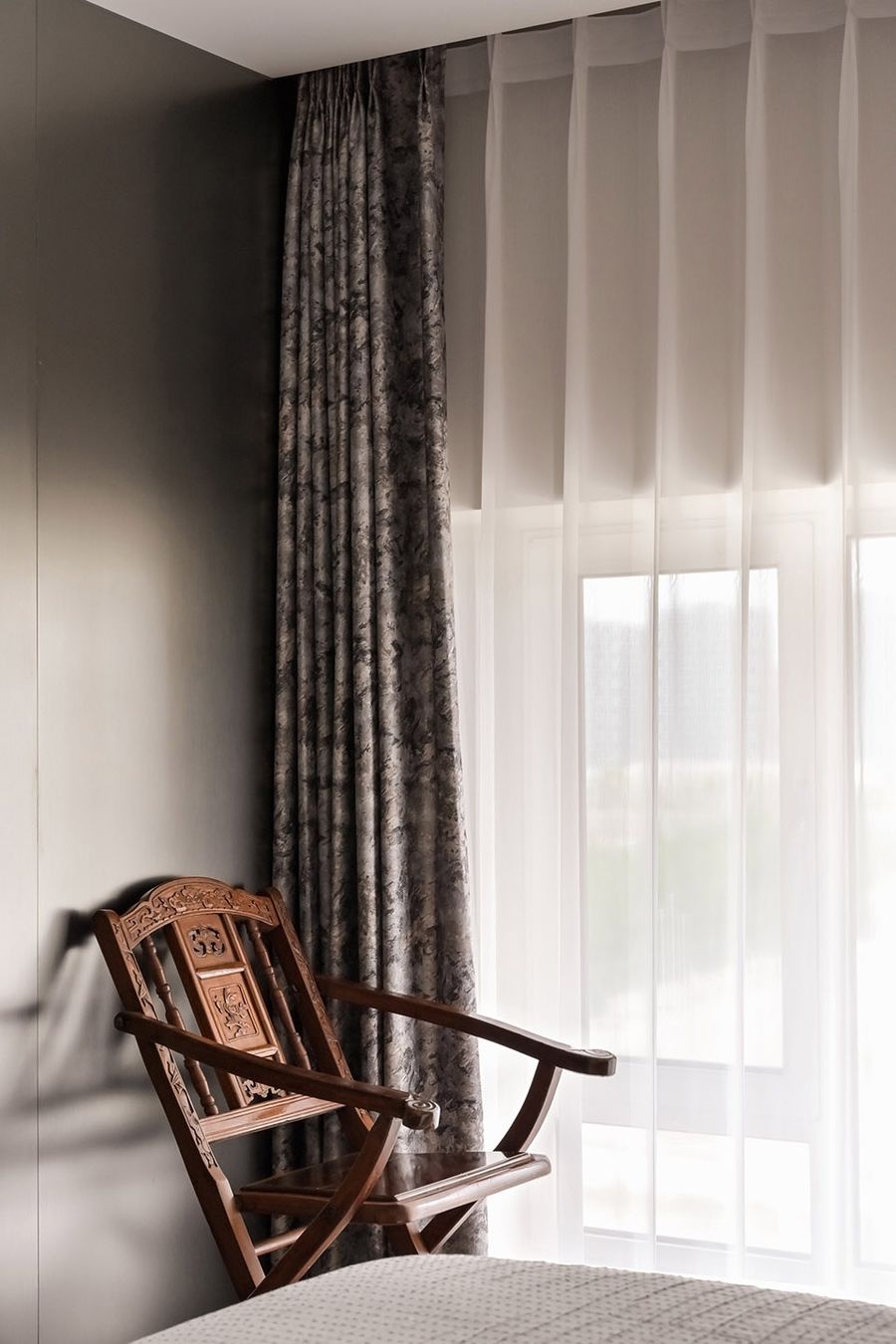
▼臥室一角,corner in bedroom ? 哈達(dá)
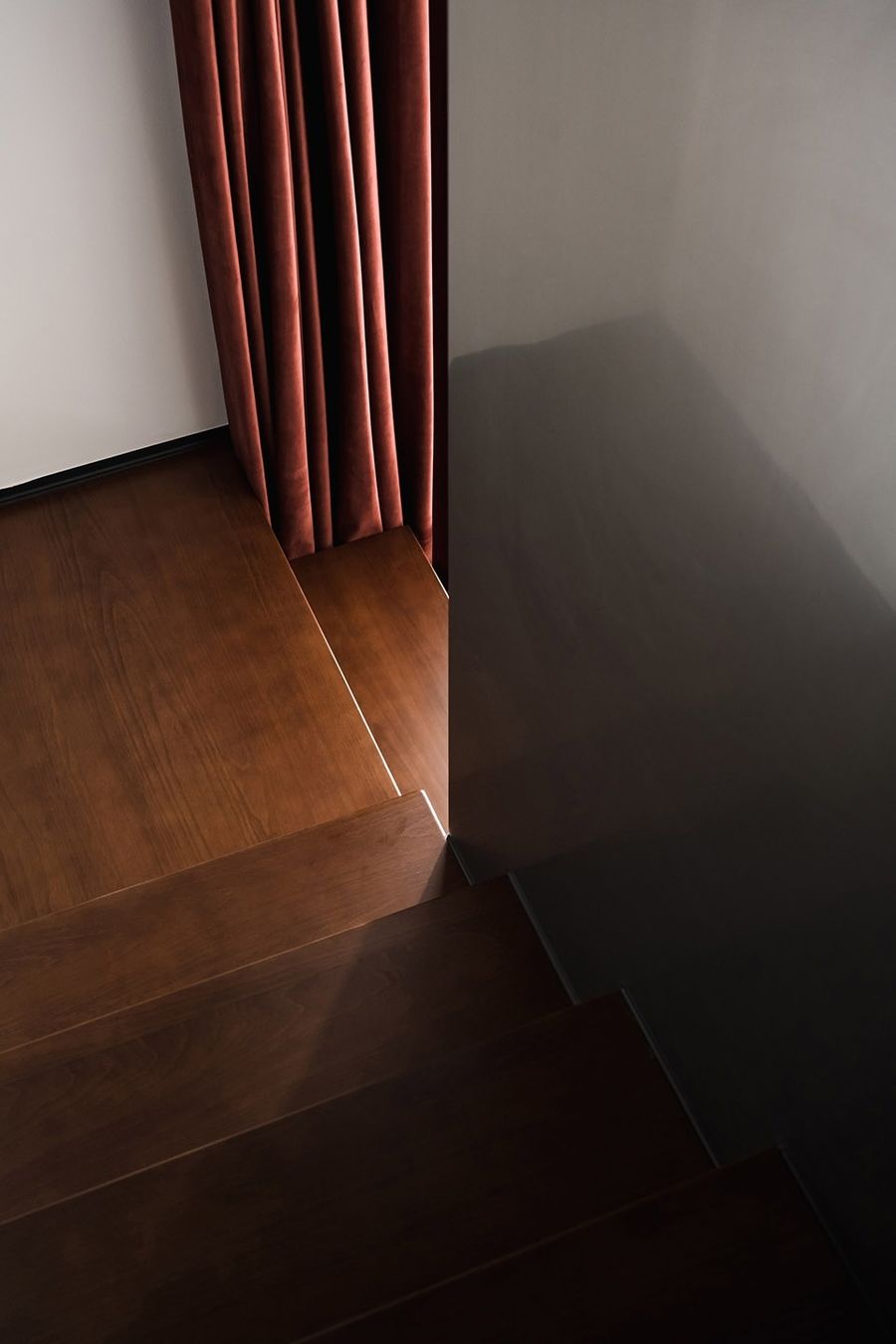
▼樓梯細(xì)節(jié),staircase detail ? 哈達(dá)
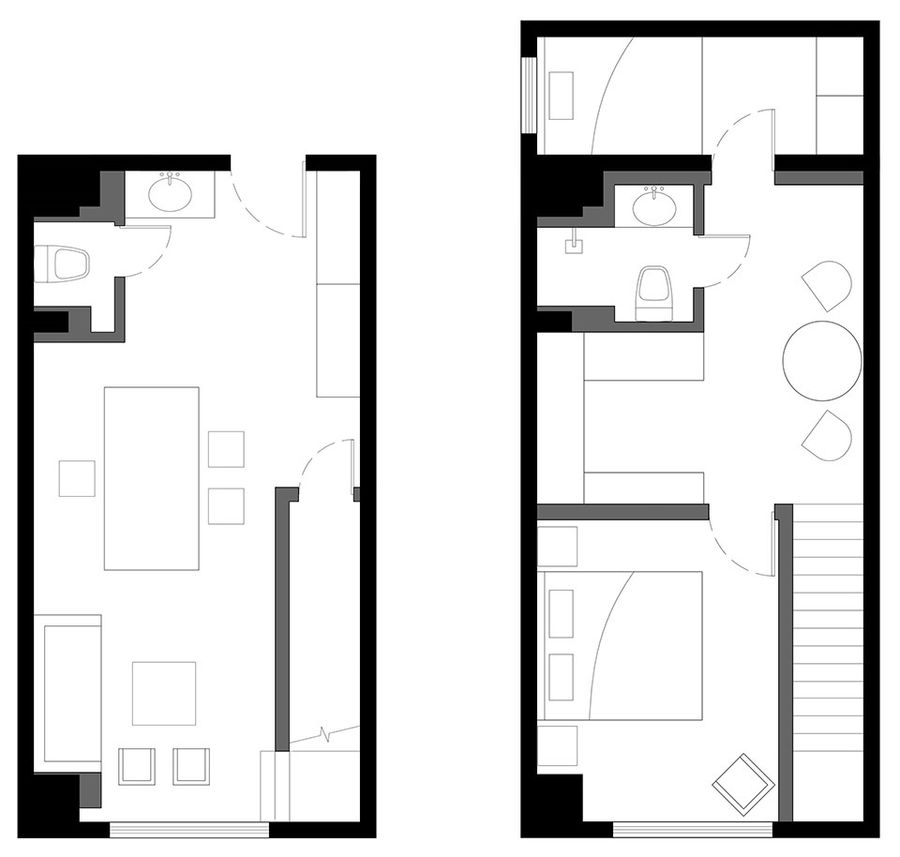
▼平面圖,plans ? 哈達(dá)
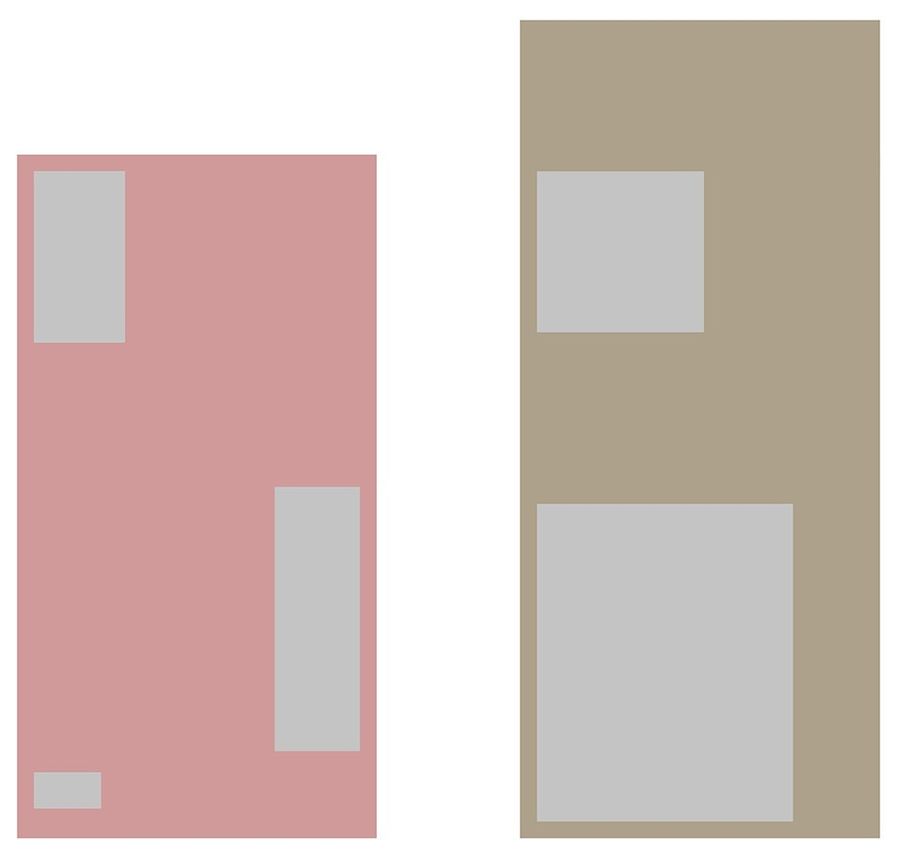
▼“鐵盒”示意圖,“box” concept ? 哈達(dá)
項(xiàng)目名稱:鐵盒
項(xiàng)目地址:中國(guó),呼和浩特
項(xiàng)目面積:100㎡
設(shè)計(jì)單位:那漠含風(fēng)設(shè)計(jì)
設(shè)計(jì)團(tuán)隊(duì):哈達(dá)、邊曉一、劉國(guó)霞
項(xiàng)目經(jīng)理:徐海清
完成時(shí)間:2023年5月
主要材料:不銹鋼板、瓷磚、木地板
攝影:哈達(dá)
Project Name: The Metal Box
Project Address: Hohhot, China
Project Areas: 100㎡
Design Company: NA-DECO
Design Team: Ha Da, Bian Xiaoyi, Liu Guoxia
Project Manager: Xu Haiqing
Project Schedule: 2023.05
Materials: Stainless Steel Panels, Ceramic Tiles, Wood Floor
Photography: Ha Da
? 
更多相關(guān)內(nèi)容推薦










評(píng)論(0)